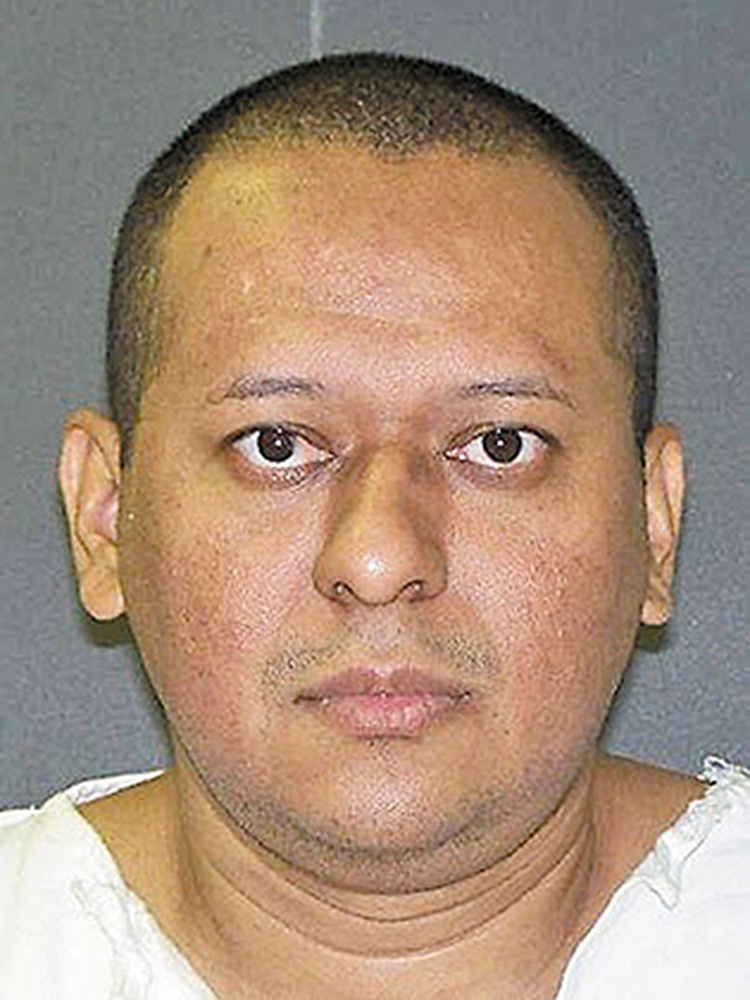
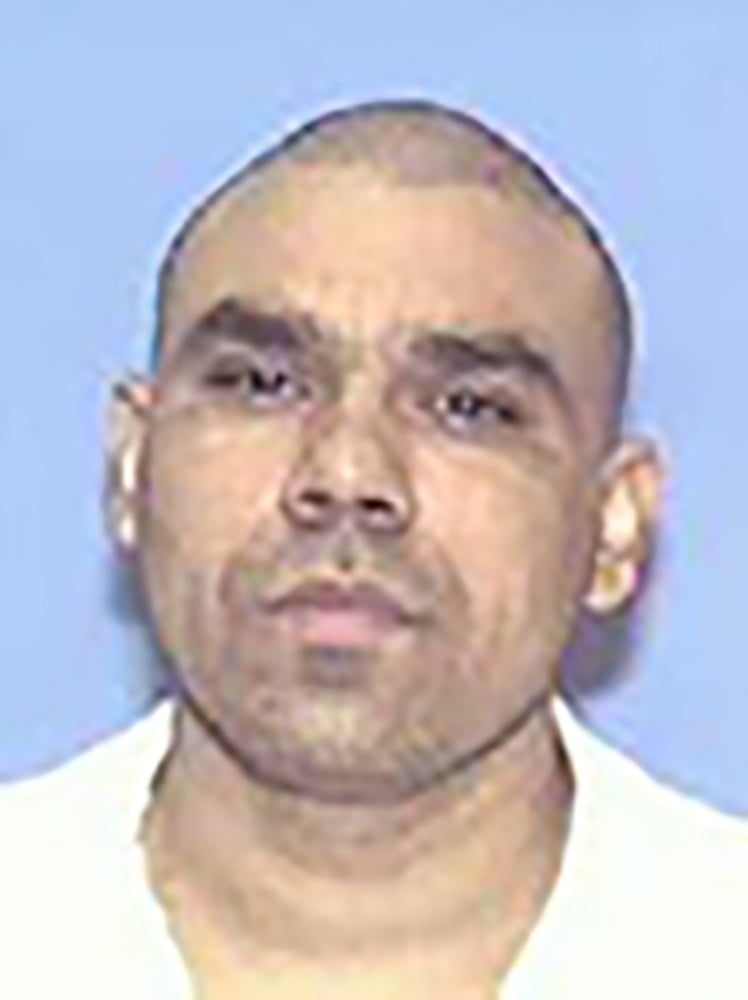
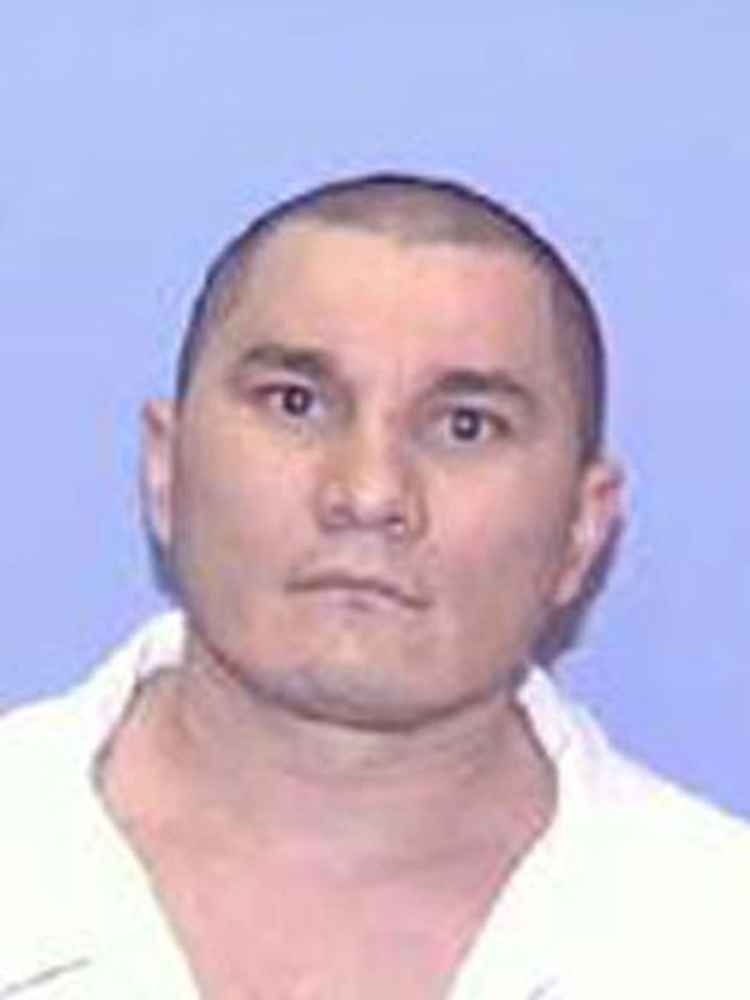
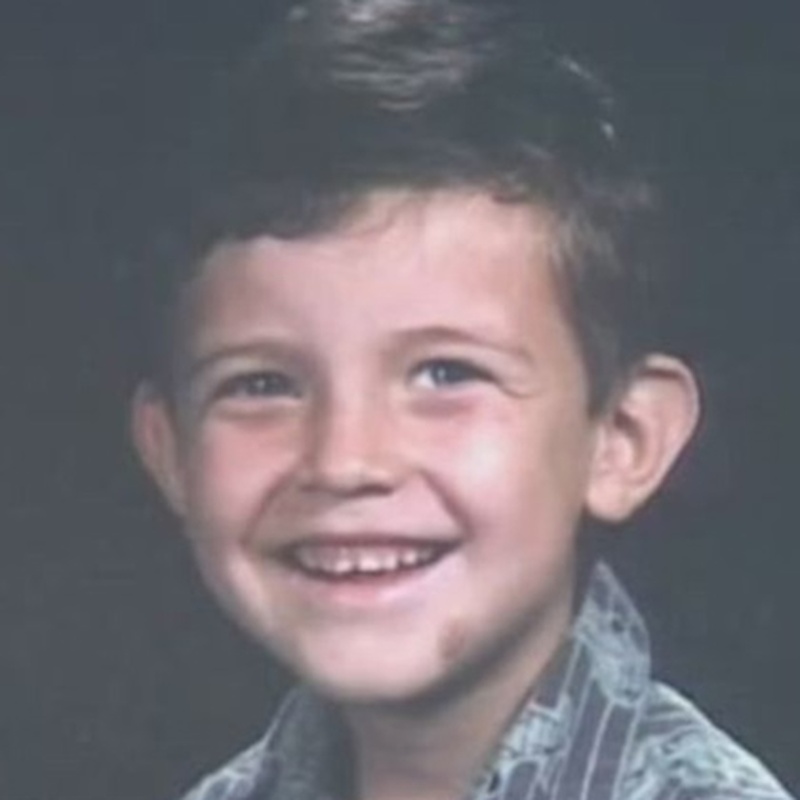
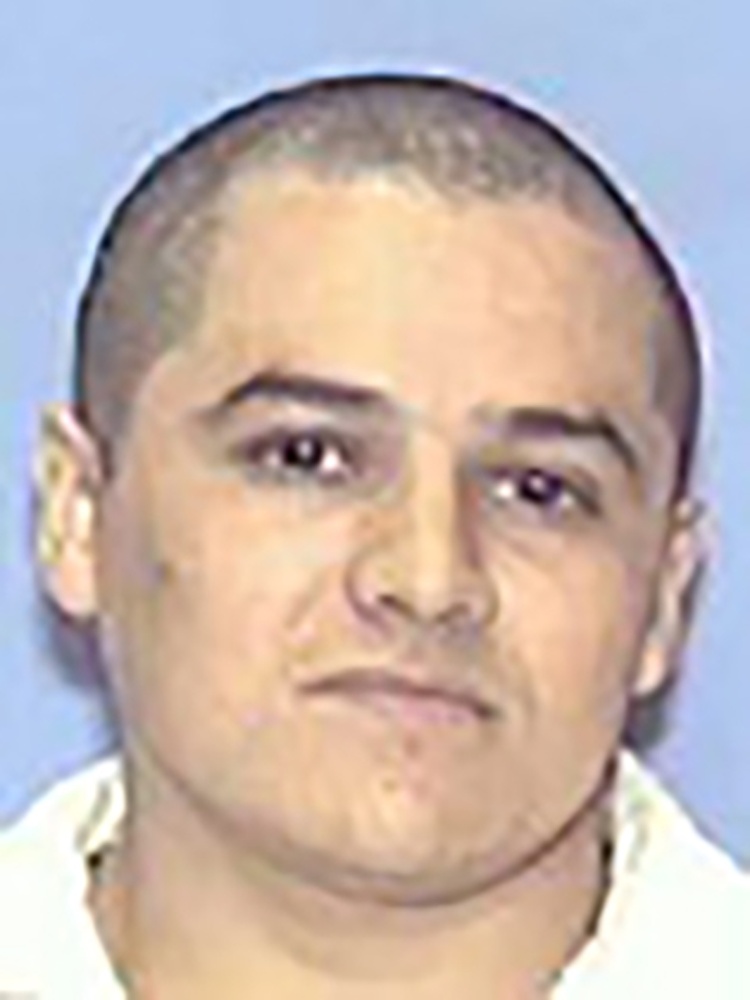
Bernardo Tercero was a 20-year-old laborer in the United States illegally when he murdered a Houston high school teacher while robbing a dry cleaner. Though he'd been arrested twice before and thrown out of the country, he kept coming back.
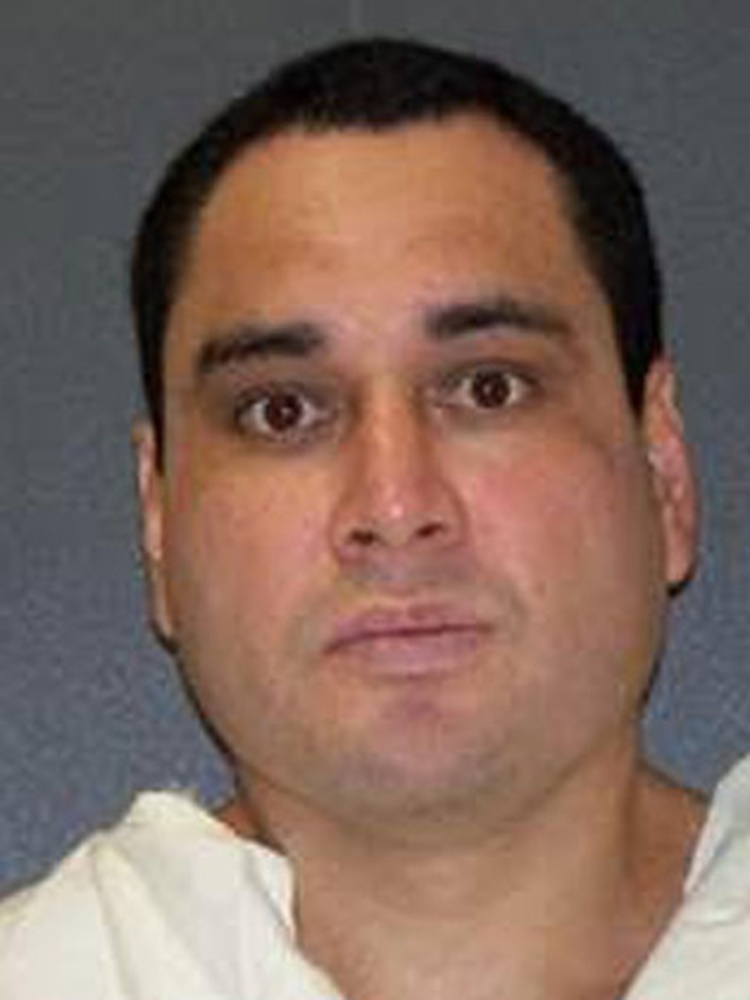
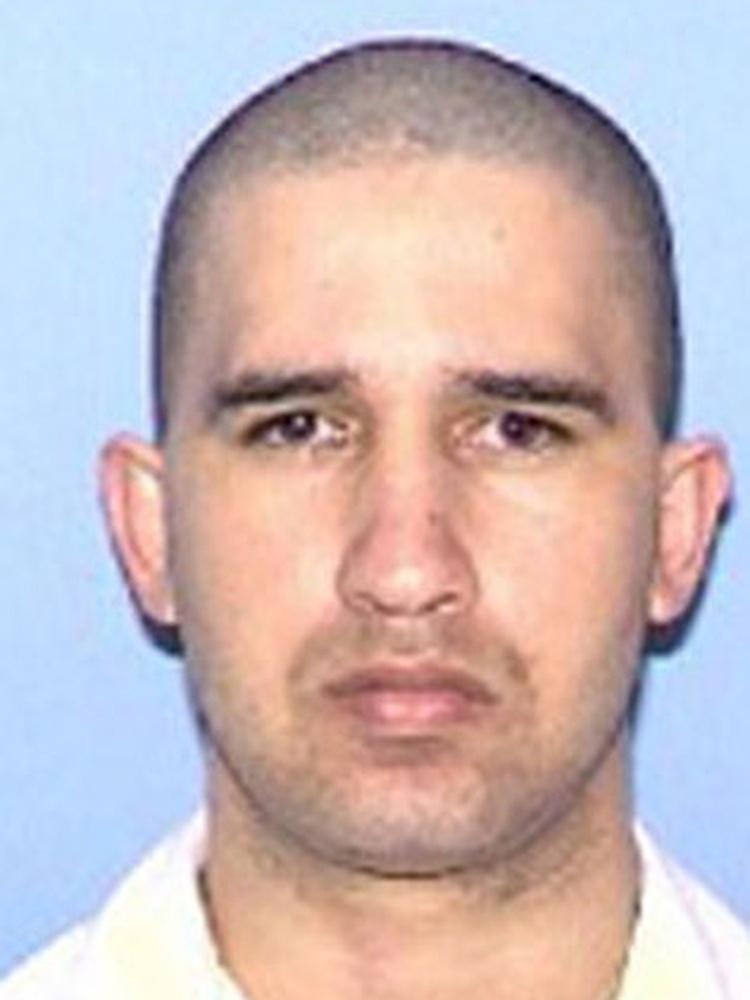
Two months before gunning down a Dallas police officer, Juan Lizcano was arrested for driving drunk. He, too, was in the country illegally. Federal immigration officials apparently were not told of his arrest.
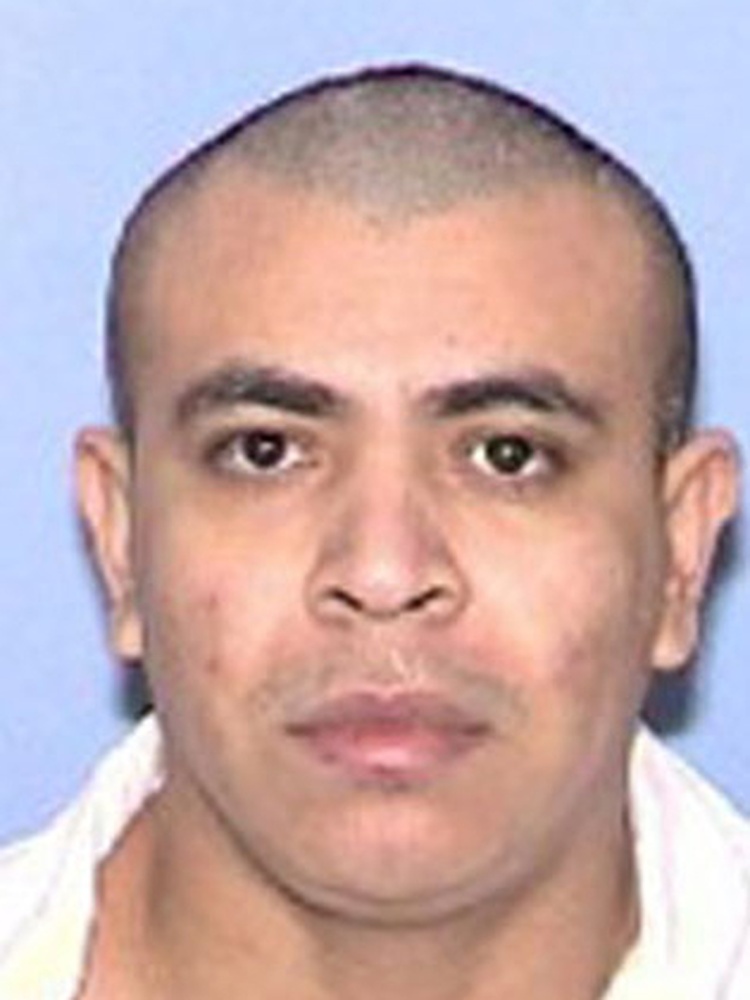
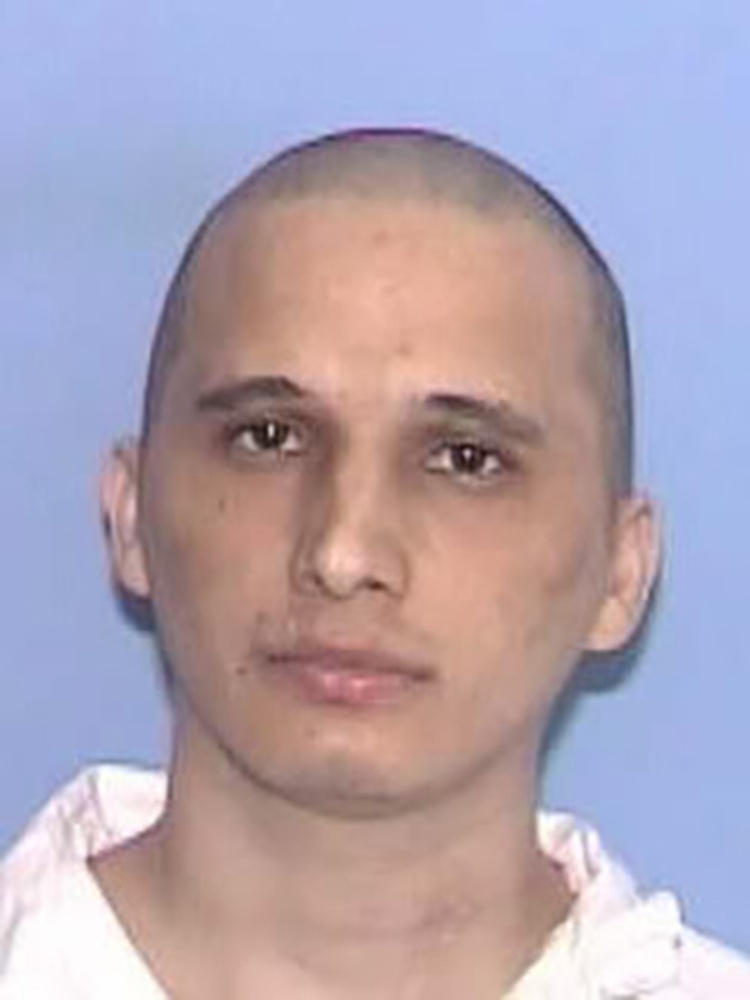
And Juan Carlos Alvarez lived in the country illegally for almost
10 years before participating in two drive-by shootings in Houston that left four people dead. Just four months earlier, an immigration judge had decided to let him stay in the country.
Of the 251 men and women on Texas death row, 12 committed their crimes while in the country illegally, according to an analysis of data obtained by The Texas Tribune. Their crimes span almost three decades and five presidential administrations — two Democrats and three Republicans — and their victims include old and young, children, husbands, wives and parents.
Whether federal immigration officials attempted to remove these 12 men — or knew of their existence — is difficult to discern. Immigration and Customs Enforcement officials declined to release immigration records for nine of the 12 inmates, citing a concern for their privacy. It did agree to release records for Tercero, Lizcano and Alvarez.
Reviews of trial transcripts, court records and other documents tell a dozen stories of smaller crimes and
missed connections ultimately leading to 18 deaths on Texas soil at the hands of men able to enter the country easily, and stay with little challenge to their presence.
Here, distilled from multiple sources, are the cases:
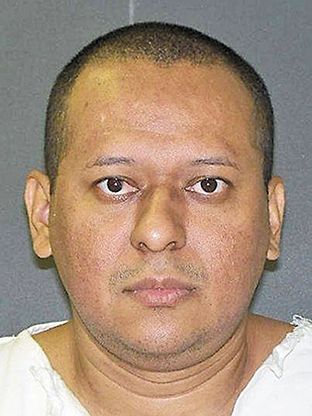
Bernardo Tercero
Bernardo Tercero
Victim: Roger Berger, teacher
Date: March 31, 1997
“Please don’t die. Please don’t die,” Melinda Winn Berger pleaded with her husband as he lay on the floor of Park Avenue Cleaners in Houston with a bullet in his head.
It was supposed to have been a quick stop before dinner. While his wife stayed in the car, Robert Berger, a 38-year-old English teacher at Reagan High School, ran in with their 3-year-old daughter, Jordan.
It was almost closing time. Bernardo Tercero, brandishing a gun, and an accomplice entered the store and demanded money.The store manager would later testify that Tercero grabbed Berger by the arm and pushed him back, shooting the teacher in the back of the head when he tried to get away.
Tercero and his accomplice fled with the money from the cash drawers. Melinda Berger rushed inside and found her husband mortally wounded. Robert Berger died in the hospital the next day.
Eventually caught, Tercero argued that the shooting wasn’t premeditated, saying he and Berger were struggling when “the gun went off.”
Tercero, then 20
, was a Nicaraguan national who had been arrested twice on theft charges in Harris County in 1994 and 1995, and was caught trying to slip across the border illegally in 1996.It appears he returned voluntarily to Mexico at least once. Otherwise, nothing in his immigration records indicates if federal agencies knew about his theft arrests, or made an effort to remove him from the country.
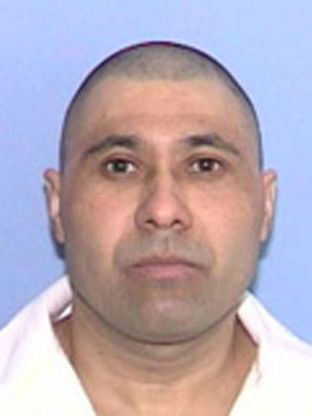
Juan Lizcano
Juan Lizcano
Victim: Brian Jackson, police officer
Date: November 13, 2005
Brian Jackson, a five-year veteran of the Dallas Police Department, was almost done with his shift when he and other officers responded to a domestic disturbance call at the home of Marta Cruz. Her ex-boyfriend showed up at her house drunk and fired a shot into the ceiling. Juan Lizcano accused Cruz of cheating on him and said the next bullet was intended for her.
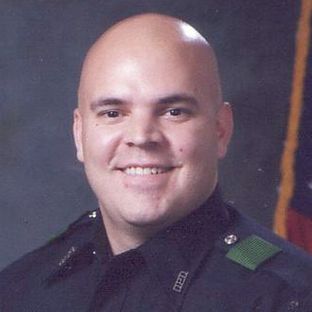
Brian Jackson
When police arrived, Lizcano ran, down an alleyway and shot at the officers. The two wound up face to face when Lizcano rounded a corner, and Jackson fired three times. Lizcano fired once and Jackson died. Other officers converging on the scene arrested Lizcano.
It wasn’t his first run-in with police. Lizcano, a then 28-year-old Mexican national, had been arrested for a DWI just two months before. There’s no indication he ever came in contact with federal immigration officials, who released records showing that they had no information on when Lizcano entered the country illegally.
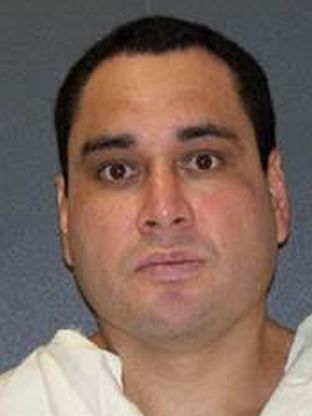
Juan Carlos Alvarez
Juan Carlos Alvarez
Victims: Michael Aguirre, Adrian Aguirre, brothers
Dates: June 6, 1998 and June 17, 1998
On June 6, 1998, 21-year-old Juan Carlos Alvarez, a member of the Southwest Cholos, opened fire with an assault rifle on a group of people gathered outside an apartment complex in west Houston. Two brothers, Michael Aguirre, 16, and his brother Adrian, 20, were killed, and six others injured. Alvarez, who records show had planned the drive-by shooting suspected that some of his targets were members of a rival gang, La Primera.
Later that month, Alvarez killed two more young men at an apartment complex in southwest Houston, shooting them at close range in the back and face with a shotgun.
Testimony later revealed that none of the four victims were members of the rival gang.
Immigration officials knew Alvarez, a Mexican national. He had entered the country illegally through Brownsville in 1989. He was served with a notice to appear in court, but it's unclear when exactly that was handed down. He was found not removable from the country and granted relief by an immigration judge on February 5, 1998.
But by that time, Alvarez already had a long record. He was charged with aggravated assault with a deadly weapon in February, received deferred adjudication, and was charged again in May 1996. That's when immigration officials placed a hold on Alvarez only to lift it three months later, county records show.
Two years later, he was charged with engaging in organized crime for conspiring to commit murder, aggravated robbery with a deadly weapon and aggravated assault with a deadly weapon.
Those cases appear to have been dismissed when he was charged and convicted of capital murder for the shootings. Immigration officials issued another hold on Alvarez in June 1998 after the two shootings.
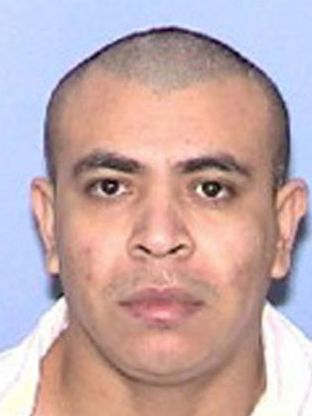
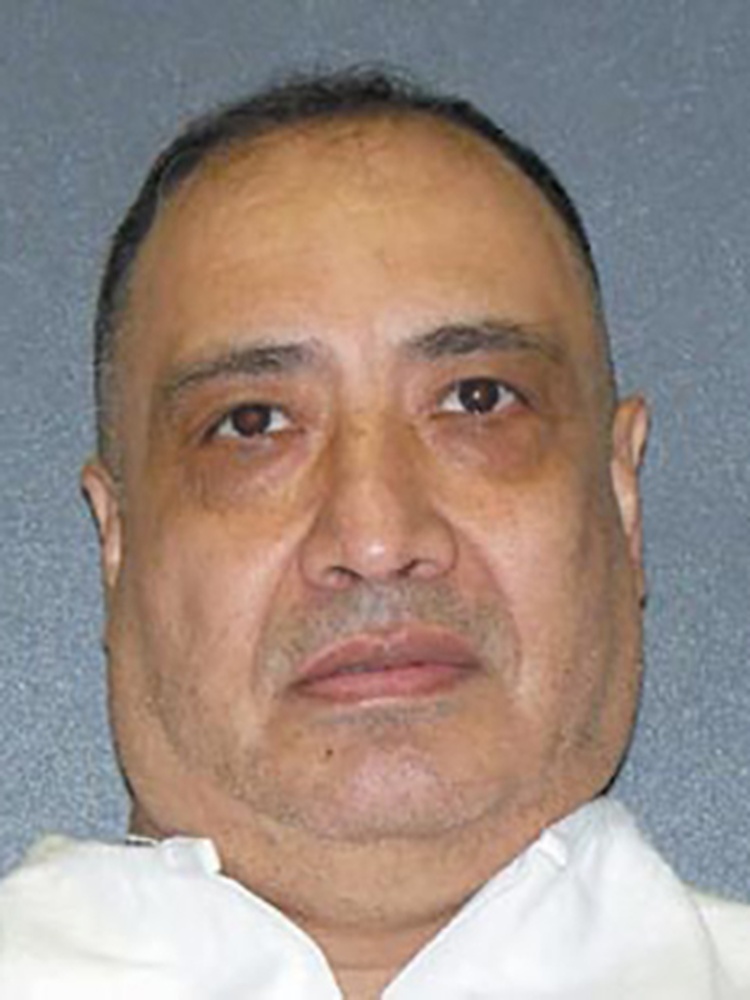
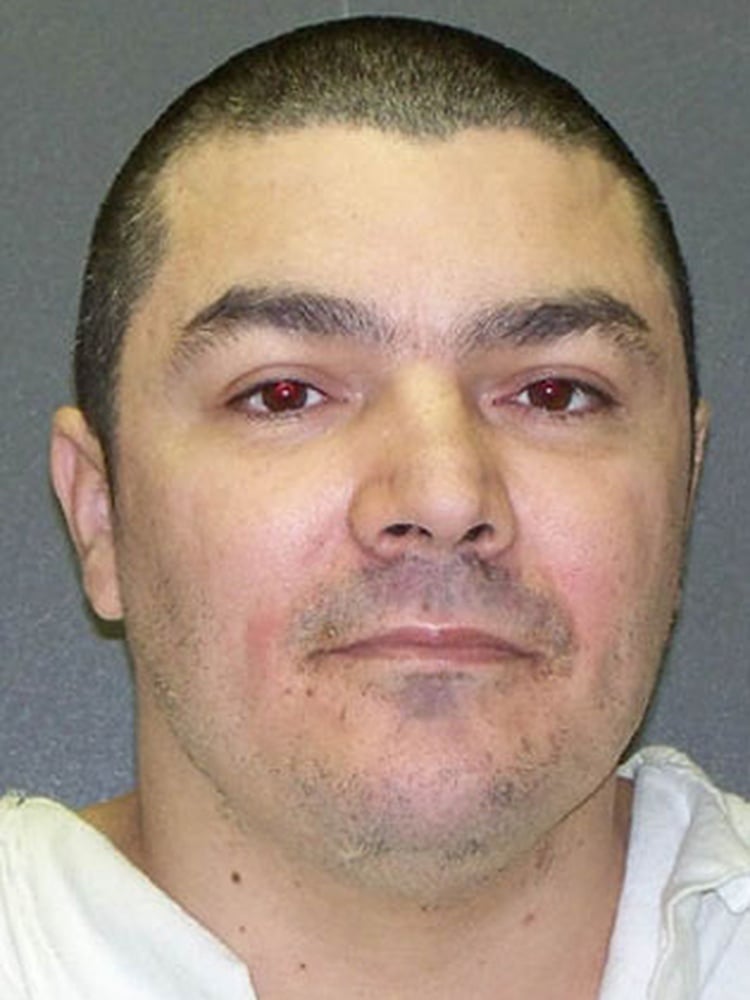
Walter Sorto
Walter Sorto
Victims: Roxana Capulin and Maria Rangel, restaurant workers
Date: May 31, 2002
Roxana Capulin and Maria Rangel were supposed to close up for the night after working the late shift at El Mirador restaurant in Houston.
But 30 minutes after she called to say she was headed home, Jesus Capulin’s wife hadn't shown up. No one answered when he called El Mirador.
Alarmed, Jesus Capulin drove the to restaurant in search of his wife, and ran into Maria Rangel’s husband doing the same thing. The men broke into the locked building but found no one inside.
The two women were found dead the next morning in Capulin’s Dodge Durango, which was abandoned a few miles south of the restaurant. Capulin
, a 24-year-old mother of two, had duct tape over her eyes and mouth; Rangel, a 38-year-old mother of two, had duct tape over her eyes and mouth, and her wrists were bound with the tape. Each had been raped and shot in the head.
Walter Sorto, an El Salvador native who had lived in the country illegally since 1996, was behind the attack. Though he initially went to police as a witness and blamed his two accomplices, the 24-year-old laborer later implicated himself.
It wasn’t Sorto’s first run-in with police. In June 1999, he had been convicted of carrying a weapon and sentenced to 10 days in Harris County jail. Later that year, he was convicted of misdemeanor theft and sentenced to three days in jail. In late 2000, he was granted deferred adjudication for 10 years for the aggravated robbery of a man in Harris County.
Citing Sorto's privacy, immigration officials declined to release records that would show whether they were told of his previous arrests and convictions, or had ever attempted to remove him from the country. County records show immigration officials placed a detainer on Sorto in August 2002 a few days after he first contacted police as a witness to the killings.
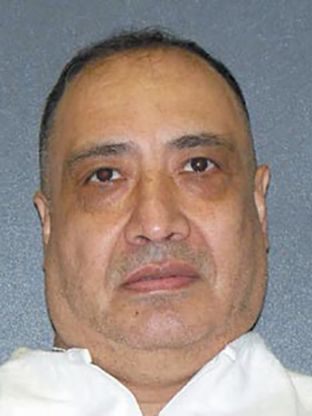
Ramiro Ibarra
Ramiro Ibarra
Victim: Maria de la Paz Zuniga, teenager
Date: March 6, 1987
Originally from Mexico, the Zuniga family was living in Waco in March 1987 when Francisco Zuniga headed home to pick up his 16-year-old sister to go shopping. He found Maria de la Paz Zuniga's bruised, bloody and partially undressed body.
Maria Zuniga
's face appeared to have been beaten, and her throat and shoulders were wrapped in yellow wire. Her dress was pulled over her waist and her underwear appeared to have been ripped off. A medical examiner would later confirm she died of ligature strangulation caused by the yellow wire.
Witnesses put Ramiro Ibarra, a 32-year old former neighbor, at the scene. DNA samples from Ibarra matched the blood found under Maria’s fingernails and semen left in her body and on her underwear. Police also found similar yellow wire in Ibarra’s car.
Ibarra, a Mexican national living in the country illegally, had previously been convicted for unlawfully carrying a weapon and received probation for driving while intoxicated. He had also been arrested in December 1988 for a misdemeanor theft.
Citing Ibarra's privacy, immigration officials declined to release records that would show whether they were told of his previous arrests and convictions, or had ever attempted to remove him from the country.
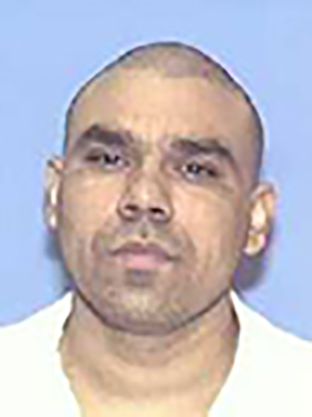
Carlos Manuel Ayestas
Carlos Manuel Ayestas
Victim: Santiaga Paneque, elderly woman
Date: September 5, 1995
When Elim Paneque returned to his Houston home shortly after noon to have lunch, he found it ransacked and his 67-year-old mother, Santiaga Paneque, dead.
The killer was 26-year-old Carlos Manuel Ayestas, a Honduran national, with a long record
. In 1990, he'd been caught in California
twice for possessing heroin and cocaine he planned to sell and was put on probation. A year later he was convicted of burglary, and sentenced to two years in jail for the burglary charge and three more for violating probation on the narcotics charge. It is unclear when he was released.
Ayestas apparently traveled back and forth from Honduras several times, and after 1994 re-entered the country illegally. He wound up in Houston where he was arrested for misdemeanor theft in July 1995 and spent 10 days at the Harris County jail.
Two months later, police found Santiaga Paneque lying face down in a pool of her own blood and vomit. Her eyes, neck and ankles were bound by silver duct tape while her wrists were bound with an electrical cord from an alarm clock.
Ayestas' fingerprints were found on a roll of duct tape left on a bathroom counter, and on the tape removed from Paneque’s ankles.
Citing Ayestas' privacy, immigration officials declined to release records that would show whether they were told of his previous arrests and convictions, or had ever attempted to remove him from the country. County records show immigration officials placed a hold on Ayestas two years after the murder after he was convicted.
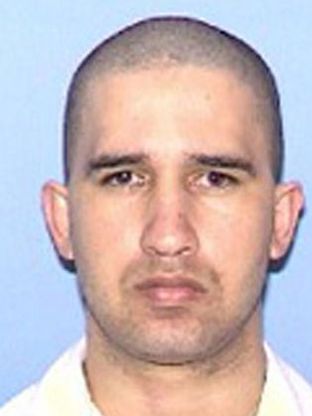
Edgardo Cubas
Edgardo Cubas
Victim: Esmeralda Alvarado, teenager
Date: January 18, 2002
Esmeralda Alvarado left her boyfriend’s house in Houston’s East End around 9:30 p.m. and headed towards a nearby convenience store to use the pay phone.
That’s where 22-year-old Edgardo Cubas and a male accomplice caught sight of the 15-year-old high school sophomore and forced her into their truck. The men would later claim they meant only to rob Alvarado, but when they realized she had no money, they took turns raping her in the back of their truck and Cubas forced her to perform oral sex on him.

Esmeralda Alvarado
They drove to a secluded road where Cubas pulled Alvarado out of the vehicle and fatally shot her in the head before driving off. A county employee found her partially clad body four days later.
Cubas, an Honduran national who entered the country illegally, confessed to Alvarado’s murder and a series of other offenses — aggravated robberies, shootings, sexual assaults and murders — committed between 2001 and 2002.
Citing Cubas' privacy, immigration officials declined to release records that would show whether they ever had contact with Cubas, or were aware of his presence in the country. County records show immigration officials placed a detainer on Cubas in August 2002 after he was arrested and charged for Alvarado’s murder.
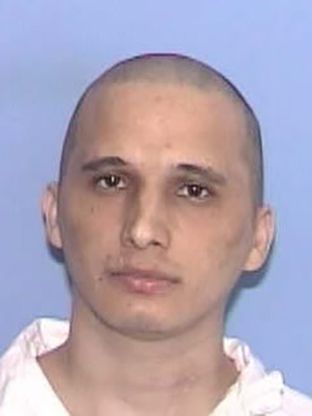
Hector Medina
Hector Medina
Victims: Javier and Diana Medina, children
Date: March 4, 2007
Three years. Eight months. Those were the ages of Hector Medina’s two children, Javier and Diana, were when he shot them with a .25 caliber pistol.
Irving police responding to a call of shots fired found 27-year-old El Salvador native Hector Medina lying in his front yard with a self-inflicted neck wound. Inside, they found Diana dead in a wooden crib. Javier, who had been shot in the head and neck, was brain dead at the time.
Medina’s legal team argued that the murders were fueled by the infidelity of his girlfriend, the children’s mother. It took a Dallas County jury about six minutes to convict Medina of capital murder.
Citing Medina's privacy, immigration officials declined to release records that would show whether they ever had contact with Medina, or were aware of his presence in the country.
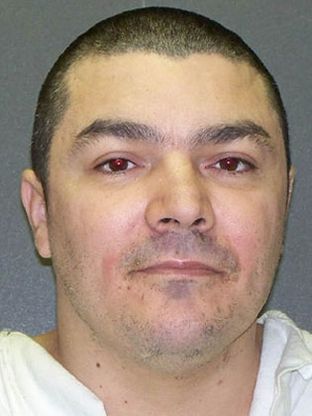
Victor Saldaño
Victor Saldaño
Victim: Paul Ray King, computer salesman
Date: November 25, 1995
It was completely random.
Paul Ray King, a 46
-year-old computer salesman,was in the parking lot of a Plano grocery store when Victor Saldaño and an accomplice forced King into their car at gunpoint. They drove to a secluded road near Tickey Creek where Saldano stopped the car and forced King into the woods.
Saldaño
, a 23-year-old Argentine national living in the country illegally, would later tell a jailer he shot King four times, then got closer to fire once more into King's head to ensure he was dead.
He stole King’s wallet and watch, drove the car back into town and abandoned it on the side of the highway.
Citing Saldaño's privacy, immigration officials declined to release records that would show whether they ever had contact with him, or were aware of his presence in the country.
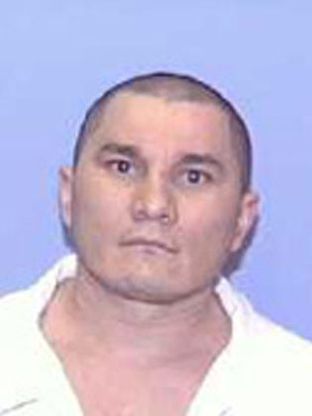
Gilmar Guevara
Gilmar Guevara
Victims: Tae Youk and Gerardo Yaxon, convenience store clerks
Date: June 2, 2000
“Shoot, shoot, shoot” Gilmar Guevara's accomplices urged as they robbed a Houston convenience store.
Two attendants, Tae Youk, 50, and Gerardo Yaxon, 21, were working the late shift when an armed Guevara and two other men entered the store just after midnight. Guevara said they were there to burglarize the store. When one of the store attendants hit him, Guevara started shooting, killing both men.
Youk was a former pastor who had worked at the convenience store for only a few months to help support his family. Yaxon was working to send money back to family in Guatemala and save up enough to return.
Guevara, 30 years old at the time and originally from El Salvador, was living in the country illegally and had a long criminal history. In 1994, he was granted deferred adjudication for a misdemeanor theft charge in Harris County. Months later, he was charged with unlawfully carrying a weapon
. In December 1994, he was sentenced to 20 days in jail for the unlawful use of a criminal instrument. That same month, he was charged with the unauthorized use of a vehicle.
In 1995, he was charged with auto theft, and federal immigration officials issued a detainer for Guevara, meaning he presumably would be turned over to them for deportation after completing his nine-month sentence in the Harris County Jail.
Whether he was removed from the country is unknown. Citing Guevara's' privacy, immigration officials declined to release records that would show whether they deported Guevara, or knew of his previous arrests and convictions.
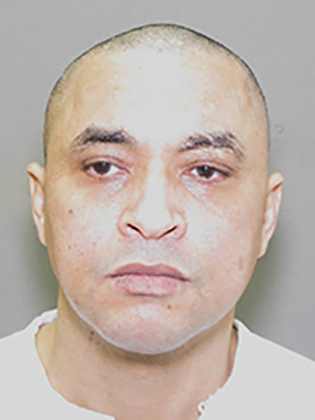
Obel Cruz-Garcia
Obel Cruz-Garcia
Victim: Angelo Garcia Jr., child
Date: September 30, 1992
During a late night home invasion, two men wearing ski masks broke into a south Houston apartment where Angelo Garcia Jr. lived with his mother and her boyfriend.
Obel Cruz-Garcia was among the men who proceeded to sexually assault Garcia’s mother and tie, gag and beat her boyfriend. They took the 6-year-old boy with them when they left. Cruz-Garcia and his accomplices stabbed the boy and weighted down his body before dropping him into a Baytown lake.
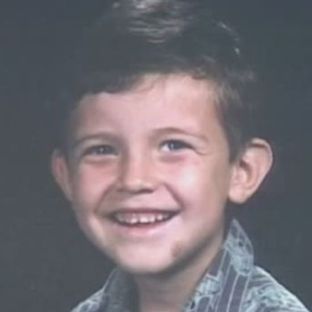
Angelo Garcia, Jr.
Evidence gathered later would show that the boy's parents were part of Cruz-Garcia’s cocaine-trafficking operation. Cruz-Garcia, originally from the Dominican Republic, was charged with Angelo Garcia’s death in 2008 but wasn’t convicted until 2013.
Angelo Garcia’s murder wasn’t the first time Cruz-Garcia had come in contact with police. He had been previously charged with unlawfully carrying a weapon in 1990 when he was sentenced to 30 days in jail. In 1991, he was charged with possession of crack cocaine.
Citing Cruz-Garcia's privacy, immigration officials declined to release records that would show whether they were told of his previous arrests and convictions, or had ever attempted to remove him from the country. County records show immigration officials placed a detainer on Cruz-Garcia in 2010 — two years after he was charged with capital murder.
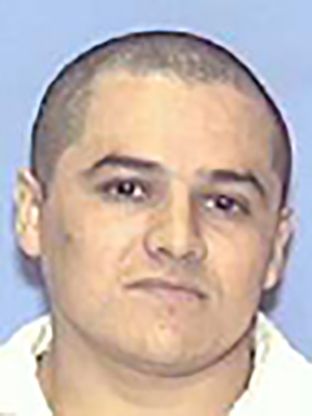
Felix Rocha
Felix Rocha
Victim: Rafael Fuentes, security guard
Date: November 26, 1994
On the night he was murdered, Rafael Fuentes was working as a security guard at a Houston nightclub.
Felix Rocha and an accomplice approached Fuentes and tried to take the gun from his holster. The security guard resisted, and the men struggled over Rocha’s gun before a shot went off.
Witnesses placed Rocha and his accomplice at the scene. Rocha — who had been involved in a physical confrontation with Fuentes shortly before the murder — later confessed.
Rocha, a Mexican national living in the country illegally, had been previously charged with aggravated robbery in 1993, but the charges were dismissed. In 1995, he was charged with possession of marijuana and served four days in jail. Later that year, he was charged for assault.
Citing Rocha's privacy, immigration officials declined to release records that would show whether they were told of his previous arrests and convictions, or had ever attempted to remove him from the country. County records show immigration officials placed a detainer on Rocha in November 1997 after he was charged with capital murder; that hold was lifted the day he was placed on death row.